Oct 23, 2026
Four Signals Shaping the Future of Health Care: Actionable Insights from Top of Mind Summit 2026
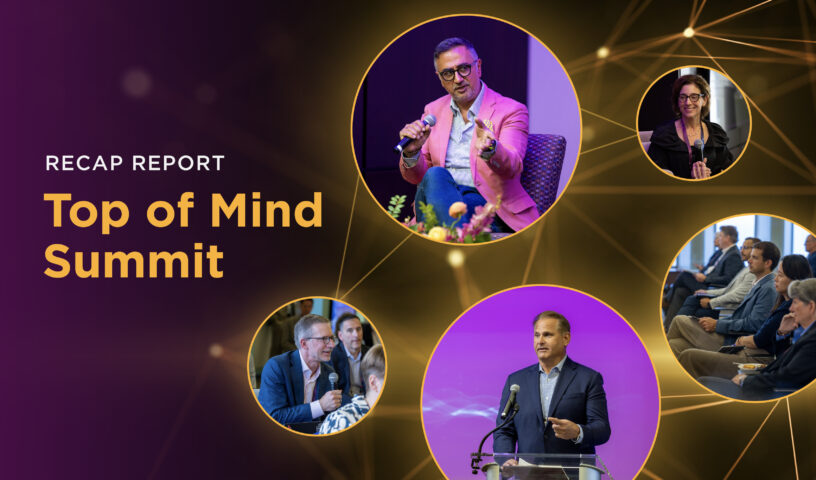
For nearly a decade, UPMC Enterprises has brought together leaders from across health care to explore the forces shaping the industry’s future. Held Sept. 28-29 at UPMC’s Center for Connected Medicine, this year’s Top of Mind Summit welcomed attendees to Pittsburgh for two days of thought-provoking discussions, meaningful connections, and practical insights.
Nearly 100 executives from UPMC and other health systems, technology and life sciences companies, and venture capital firms took part in the Summit.
Conversations spanned artificial intelligence, precision medicine, healthy aging, real-world data, and implementation of innovation in health systems. A common theme emerged throughout the Summit: the next chapter of health care will not be defined by innovation itself, but rather by the ability to translate innovation into measurable impact.
 Opening the event, Jeanne Cunicelli, executive vice president of UPMC and president of UPMC Enterprises, emphasized the rapid pace of change across health care.
That pace creates extraordinary opportunities, but also unprecedented complexity. Health care leaders are being asked to evaluate more technologies, therapies, business models, and data sources than ever before. In a landscape where innovation is constant, success increasingly depends on identifying what matters, building the right partnerships, and developing the operational capabilities needed to bring the truly transformational ideas into practice at scale.
Four powerful signals consistently surfaced from the Summit, offering a roadmap for how organizations can navigate disruption and shape the future of health care.
Signal 1: Innovation Requires Partnership
Health care’s biggest challenges have become too interconnected to be solved by any one organization alone.
Whether Summit speakers were discussing precision medicine, AI, care delivery transformation, or venture creation, the conversations repeatedly highlighted the importance of collaboration across disciplines. Clinical expertise, scientific discovery, technology development, operational execution, and investment are increasingly dependent on one another.
Reflecting on Pittsburgh’s transformation into a center of health care and technology innovation, Jim Covert, UPMC board member, said, “The common theme of all this is partnership and collaboration.”
That observation resonated throughout the Summit. During a discussion on precision medicine, a biotech executive posed a question that captured a challenge facing the entire health care ecosystem, “How do we all work together in this whole ecosystem to improve the quality of our outcomes for patients?”
The answer can be found in stronger partnerships that bring together clinicians, researchers, biotechnology and pharmaceutical leaders, health systems, and technology innovators around shared goals. In this environment, competitive advantage will be defined by how effectively organizations connect expertise, align incentives, and accelerate progress across the broader health care ecosystem.
Signal 2: AI Needs Practical Implementation
AI was one of the most prominent topics discussed throughout the Summit, but the conversation has evolved significantly in recent years. The question is no longer whether AI has the potential to transform health care. Instead, leaders are focused on where AI can deliver measurable value today and what is needed to implement it responsibly, and at scale.
Across discussions on care delivery, operations, commercialization, and clinical innovation, speakers described a future in which AI becomes increasingly embedded within existing workflows rather than existing as a standalone initiative.
 Many participants emphasized AI’s potential to reduce administrative burden, streamline operations, improve access to insights from information, and support clinical decision-making in ways that allow health care professionals to focus more of their time on patient care.
“Health care systems, by and large, tend to believe that their clinicians are quite good at what they’re able to do diagnostically, but that the systems with which we have to deliver care are predominantly inefficient,” said Rob Bart, chief medical information officer at UPMC.
His perspective reinforced the idea that AI’s greatest near-term impact may be its ability to remove friction from the health care system and help organizations operate more effectively. Success will depend not only on developing new technologies, but also on implementing them in ways that create tangible value in real-world settings.
Signal 3: Scaling Precision Medicine
Precision medicine has advanced quickly in recent years, but Summit speakers emphasized that the future isn’t simply about generating more scientific insights. It’s about bringing those insights into everyday care.
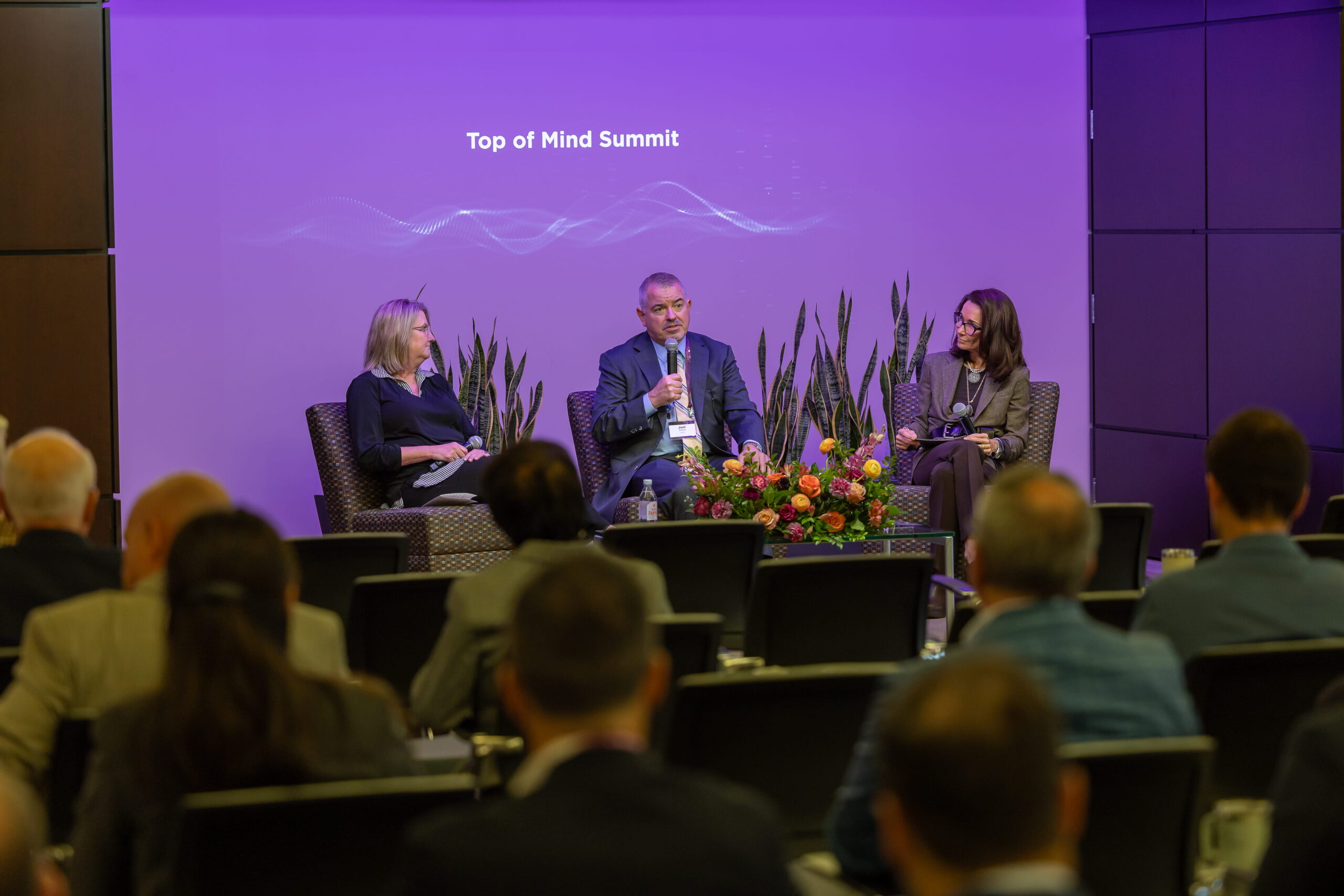
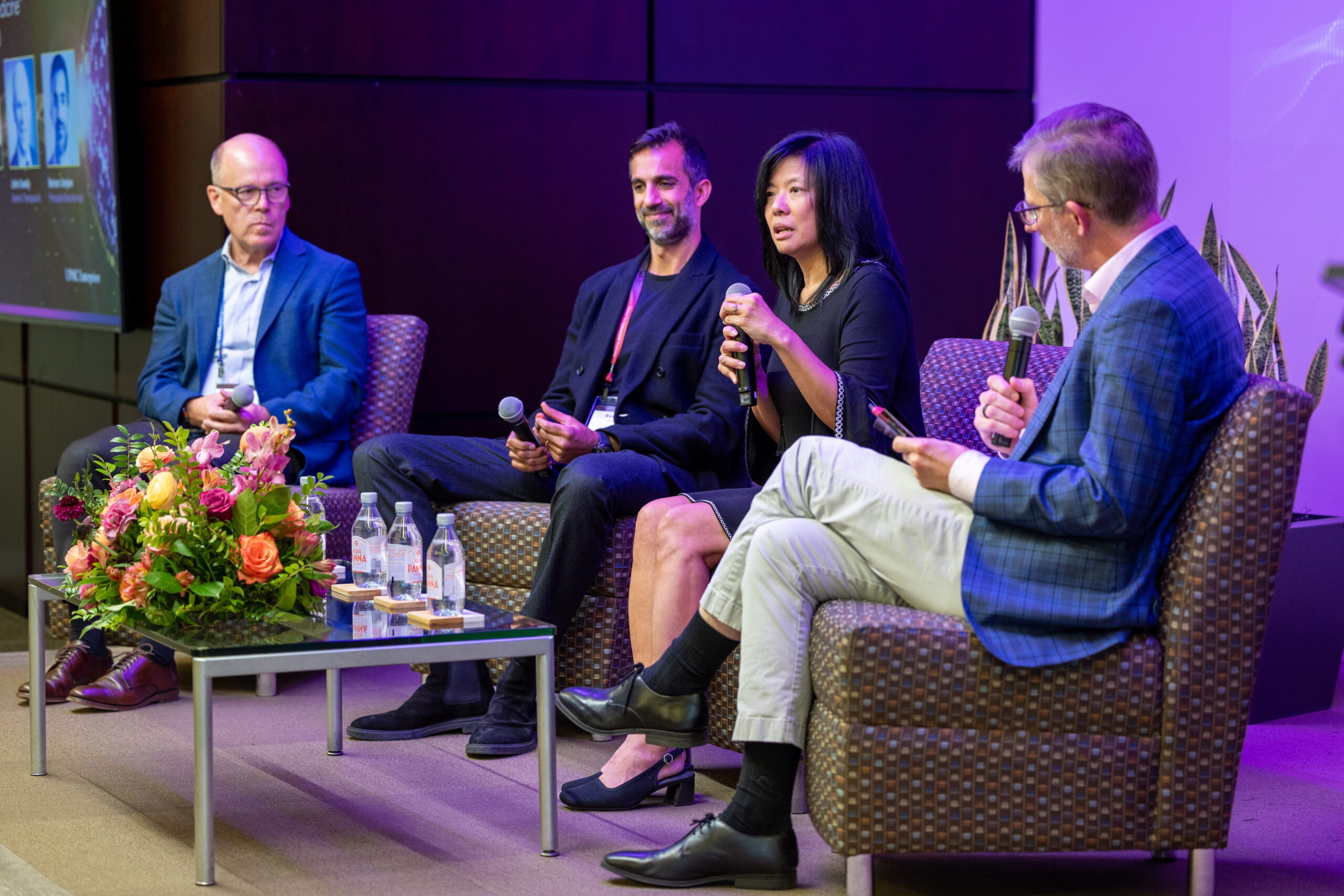 Adrian Lee, director of the Institute for Precision Medicine at UPMC and the University of Pittsburgh, opened a panel discussion by asking speakers what the field will look like by 2030. He noted that some areas, such as breast cancer care, have become remarkably precise, while much of routine care still relies on population-based guidelines. From a patient’s perspective, he said, a typical doctor’s visit “doesn’t look much different to what it was 30 years ago.”
“We’ve come a long way, there’s still a lot more to do,” he said.
Other speakers agreed that precision medicine is most advanced in oncology but is still far from where it needs to be. They described a future in which clinicians can draw on many sources of patient information to guide more informed conversations with each patient.
Rehan Verjee, CEO and co-founder of Precede Biosciences, pointed to how quickly the field is changing as a growing number of biomarker-driven therapies enter cancer clinical trials and reach patients in practice. He sees an opportunity not only to develop new precision medicines, but also to use existing ones more precisely, matching patients to treatments most likely to benefit them and, in the curative setting, helping identify those who may be spared additional therapy after surgery.
As new technologies make it possible to measure more of a patient’s biology, he expects genomics to remain an important pillar, while emphasizing “there’s a tremendous opportunity to complement genomics with a richer, functional understanding of a patient’s disease biology. This will allow us to both build on what the genomic findings tell us and guide decisions where genomics alone offers limited insight.”
Across the conversation, panelists agreed that progress will depend on implementation. As tests and therapies multiply, clinicians will need informatics, testing pathways, and electronic health record tools that make the right choice the easy one. Health systems will also be essential in generating evidence to show that precision medicine delivers value for patients and the broader system.
Delivering that vision will take more than scientific breakthroughs. It means integrating genomic, diagnostic, clinical, and longitudinal patient data into workflows that support clinicians and improve outcomes. The challenge ahead isn’t generating more information. It’s making personalized care practical, scalable, and accessible across health care delivery.
Signal 4: Turn Data and Evidence into Action
Throughout the Summit, speakers repeatedly returned to the importance of turning information into action.
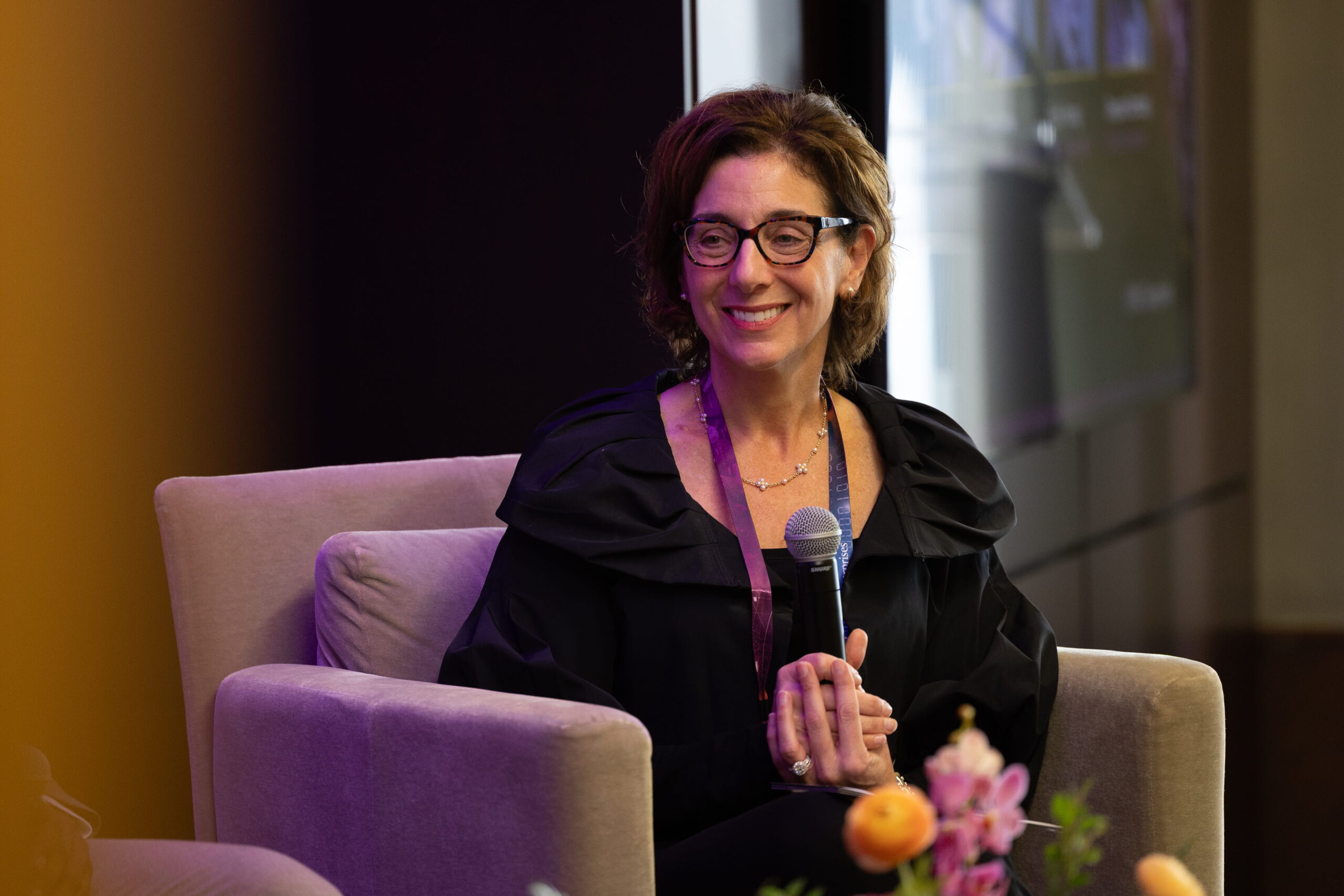 From real-world evidence and commercialization to AI and precision medicine, leaders emphasized that data alone is not a competitive advantage. The real advantage comes from generating evidence, learning from it, and applying those insights to improve care delivery and organizational performance.
Opening the Summit’s discussion on real-world evidence, Nicole Ansani, senior vice president of New Development Initiatives at UPMC Enterprises, reflected on how frequently data surfaced throughout the event. What was once viewed primarily as a research asset is increasingly becoming a strategic asset capable of informing clinical care, operational decision-making, commercialization strategies, and health system transformation.
At the same time, speakers emphasized that possessing data is not the same as creating value from it. One health system executive observed: “If data is gold, then it’s actually, in many cases, gold in a seam in the middle of a mountain.”
Health care leaders need to focus on extracting the value buried within the data and finding the most direct path to meaningful outcomes.
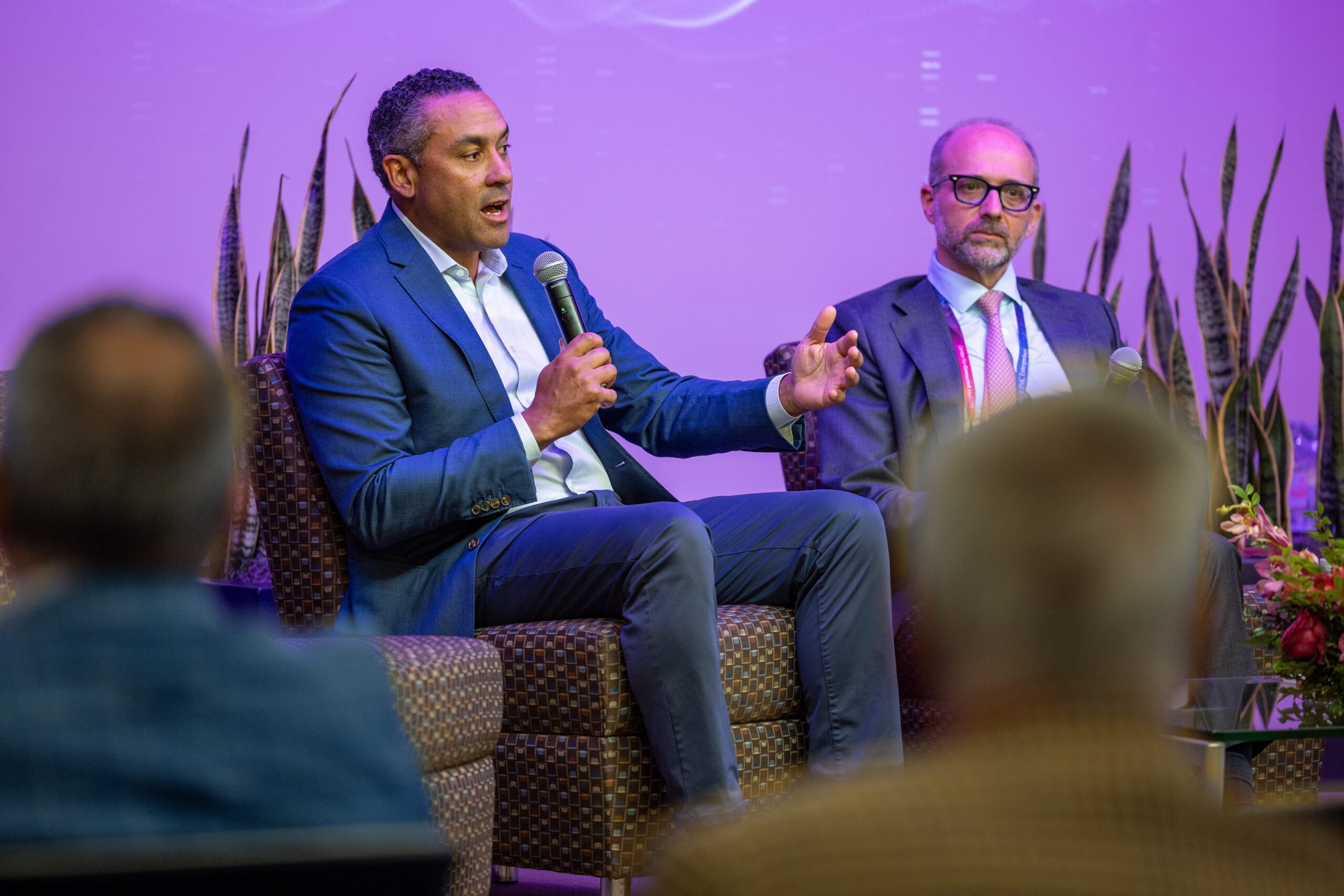 That challenge surfaced repeatedly. As David Okonkwo, professor of Neurological Surgery at the University of Pittsburgh and executive vice president of UPMC Enterprises, explained, “We have a problem around how we facilitate the connection of new technologies and new treatments to patients in a systematic fashion.”
Reflecting on his experience translating innovations into care delivery, Macky Neal, interim chair of surgery at the University of Pittsburgh and UPMC, added, “There’s a lot of science that stalls in that decision to launch.”
Together, these observations point to a broader reality: the organizations that lead the next decade of health care will be those that can generate evidence, implement innovations effectively, and scale solutions in real-world environments.
From Signals to Action
Taken together, these four signals point to something bigger than a set of trends. They reflect a broader shift in how health care innovation is developed, validated, implemented, and scaled.
Throughout the Summit, attendees heard that success will depend on the ability to build strong partnerships, implement AI responsibly, advance precision medicine, generate meaningful evidence from data, and translate innovation into measurable impact.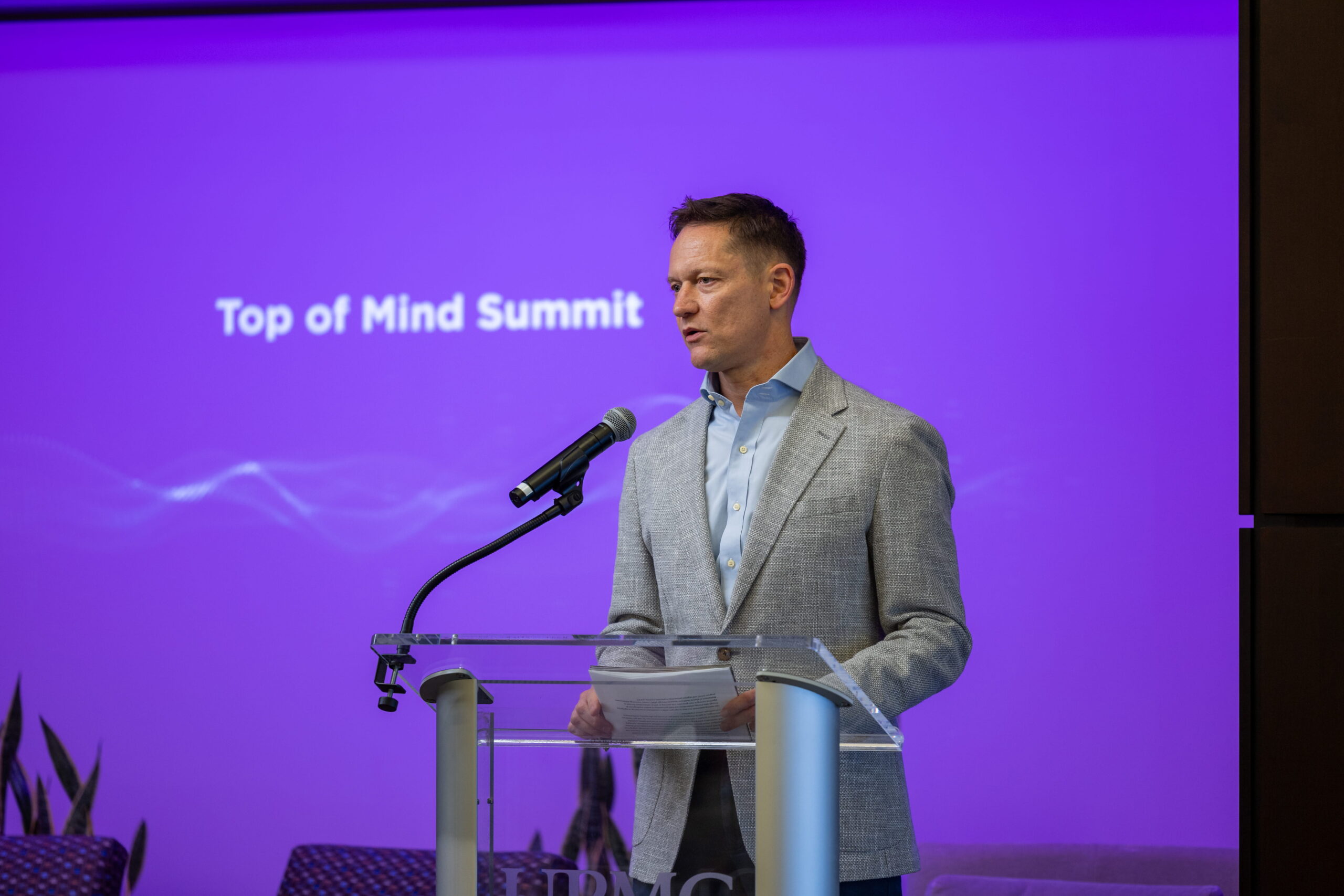
This is where UPMC Enterprises plays a unique role. By combining the strengths of a leading health system, health plan, research enterprise, venture platform, and commercialization engine, the organization identifies important health care challenges, evaluates promising technologies, generates evidence, launches companies, and supports the adoption of innovations that improve patient outcomes.
During his closing remarks, Matthias Kleinz, executive vice president of UPMC Enterprises, reinforced the Summit’s central theme of turning innovation into meaningful action: “We’re not going to be judged by what a great set of conversations we had in the last 24 hours. What matters is what we do in the next 12 months.”
Note: UPMC has a financial interest in Precede Biosciences.